Sure! Here’s the content in English: To maximize your electric vehicle (EV) charging speed, it's essential to understand a few key techniques. First, avoid running additional features while charging, as they can drain battery power and slow down the charging process. Second, charge your EV in mild temperatures, as extreme heat or cold can trigger safety measures in the Battery Management System (BMS), resulting in longer charging times. Third, start charging with a low State of Charge (SoC), ideally between 20-80%, to take advantage of faster charging rates. Aim to fast charge your battery to about 80-85% at public stations, and then use home charging to complete the charge overnight. This approach ensures your EV is ready to go each day. If you're interested in purchasing a new EV, visit Charlie's Chrysler Dodge Jeep Ram in Maumee, Ohio, to explore their latest inventory and get assistance from their sales team.
Power Up: Is Your EV Controller Ready for the Road?
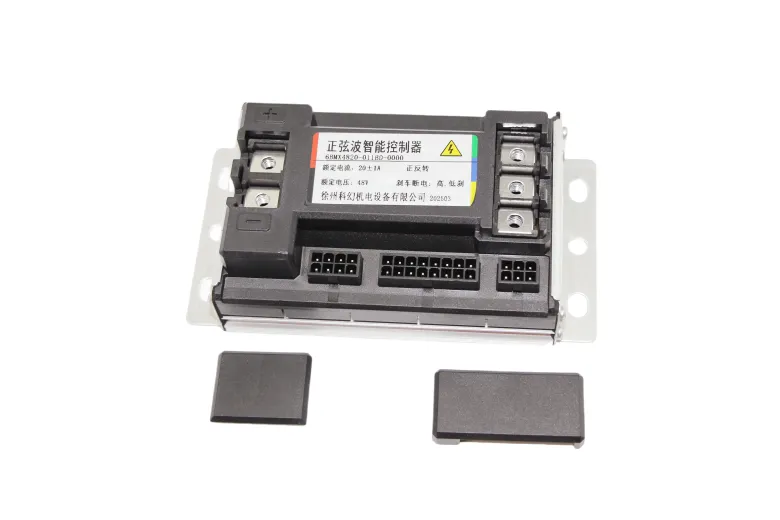
When it comes to electric vehicles (EVs), one of the most crucial components is the EV controller. It’s the brain behind the operation, ensuring everything runs smoothly. But is yours ready for the road? Let’s dive into the common issues I’ve encountered and how to tackle them effectively.
First, I often hear concerns about range anxiety. Many EV owners worry about whether their vehicle can make it to the next charging station. This is where the EV controller plays a vital role. A well-functioning controller optimizes energy usage, allowing for greater range. If you notice your range dropping unexpectedly, it might be time to check your controller’s performance.
Next, let’s talk about responsiveness. Have you ever pressed the accelerator and felt a delay? That could be a sign of a controller issue. To address this, I recommend regularly updating your controller's software. Manufacturers often release updates that improve performance and responsiveness.
Another common issue is overheating. If your EV controller gets too hot, it can lead to significant problems, including reduced efficiency. To prevent this, ensure that the cooling system is functioning properly. Regular maintenance checks can help you catch potential overheating issues before they become a problem.
Lastly, let’s consider compatibility. If you’ve recently upgraded components in your EV, it’s essential to ensure that your controller is compatible with the new parts. Mismatched components can lead to inefficiencies and even damage. Always consult your vehicle’s manual or a professional if you’re unsure.
In summary, keeping your EV controller in top shape is essential for a smooth driving experience. Regular updates, maintenance checks, and ensuring compatibility can save you from headaches down the road. After all, the last thing you want is to be stuck on the side of the road, wondering if your controller is up to the task. So, take these steps to power up your EV and enjoy the ride!
Rev Your Engines: How Efficient is Your Electric Vehicle Controller?
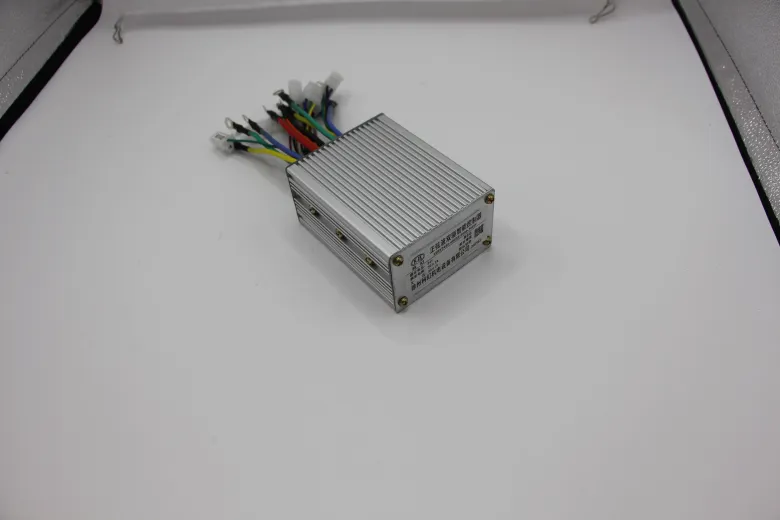
Are you cruising along in your electric vehicle, feeling the thrill of zero emissions and whisper-quiet rides, but suddenly hit with the nagging question: how efficient is your electric vehicle controller? Trust me, you're not alone. Many of us have that moment of doubt, wondering if our ride is truly living up to its eco-friendly promise.
Let’s break this down together. The efficiency of your electric vehicle (EV) controller is crucial. It’s the brain behind the operation, managing power flow and ensuring your car runs smoothly. If it’s not performing well, your car might not be as efficient as it could be. Here’s how to gauge its performance and what steps you can take to optimize it.
Step 1: Monitor Energy Consumption
First off, keep an eye on your energy consumption. Most modern EVs come with built-in displays that show how much energy you’re using. If you notice that your range is shrinking faster than expected, it might be time to investigate your controller’s efficiency.
Step 2: Check for Firmware Updates
Next, don’t overlook software updates. Just like your smartphone, your EV controller may require updates to improve functionality. Manufacturers often release updates that can enhance efficiency and performance. Make it a habit to check for these updates regularly.
Step 3: Evaluate Driving Habits
Let’s talk about driving habits. Are you a speed demon or a smooth cruiser? Aggressive driving can significantly impact your energy usage. Try adopting a gentler driving style. Not only will it extend your range, but it can also reduce wear on your controller.
Step 4: Regular Maintenance
Routine maintenance is essential. Just like a car needs oil changes, your EV needs its components checked. Ensure that your controller and battery systems are regularly serviced to keep everything running optimally.
Step 5: Seek Professional Help
Finally, if you’re still concerned about efficiency, consider consulting a professional. An expert can perform diagnostics to pinpoint any issues with your EV controller that may not be apparent to the average driver.
In summary, understanding and optimizing your electric vehicle controller is key to maximizing efficiency. By monitoring energy consumption, keeping software updated, evaluating your driving habits, performing regular maintenance, and seeking professional guidance, you can ensure that your EV runs like a dream. Remember, a little attention goes a long way in keeping your ride eco-friendly and efficient. So, rev those engines and enjoy the ride!
Charge Smart: Is Your EV Controller Keeping Pace with Technology?
I recently found myself in a bit of a pickle with my electric vehicle (EV) charging experience. You see, I thought I was all set with my EV controller, but as technology rapidly evolves, I realized it might not be keeping pace. If you’ve ever felt the frustration of waiting for your car to charge while scrolling through your phone, you know what I mean.
Let’s break this down. The first issue is compatibility. Many of us have invested in EV controllers that were top-notch a few years ago, but technology doesn't stand still. Newer EV models often come with advanced charging capabilities that older controllers can't handle. If you’re still using that outdated controller, you might be missing out on faster charging times.
Next, there’s the software aspect. Some controllers require updates to work seamlessly with the latest EVs. If your controller is like mine, it might have a dusty old app that hasn’t seen an update since the last time I cleaned my car. Regular updates not only improve functionality but also enhance security. So, take a moment to check if your controller’s software is up to date. It could save you a lot of headaches down the road.
Then we have the charging speed. Did you know that not all EV chargers are created equal? If you’re using a Level 1 charger at home, you might be in for a long wait. Upgrading to a Level 2 charger can significantly reduce charging time, giving you more freedom to hit the road.
So, what’s the takeaway? It’s crucial to assess whether your EV controller is keeping pace with the latest technology. Here’s a quick checklist to help you out:
- Check Compatibility: Make sure your controller is compatible with your EV model.
- Update Software: Regularly check for app updates for improved performance.
- Upgrade Charging Speed: Consider investing in a faster charger if you’re still using a Level 1 setup.
In summary, keeping your EV charging experience smooth and efficient requires a bit of attention. Don’t let outdated technology hold you back. With just a few adjustments, you can ensure your charging setup is as modern as your vehicle. After all, who wants to be left waiting when they could be out enjoying the drive?
Drive into the Future: Is Your Electric Vehicle Controller Cutting-Edge?

When I first decided to go electric, I was filled with excitement. The promise of a cleaner environment and lower fuel costs was enticing. But then reality hit me like a charging station on a long road trip. I realized that not all electric vehicles (EVs) are created equal, and one of the most critical components is the controller.
You see, the controller is like the brain of your EV. It manages the flow of electricity from the battery to the motor, affecting everything from acceleration to energy efficiency. If your controller is outdated or inefficient, you might as well be driving a gas guzzler. So, how do you know if your EV controller is cutting-edge? Let’s break it down.
First, check the specifications. A modern controller should support high voltage and current ratings, allowing for quick acceleration and better range. Look for features like regenerative braking, which helps recharge your battery while slowing down. If your controller lacks these capabilities, it’s time for an upgrade.
Next, consider the software. Just like your smartphone needs updates, so does your EV controller. Manufacturers frequently release firmware updates that improve performance and efficiency. If you haven’t updated your controller recently, you could be missing out on significant enhancements.
Another aspect to evaluate is compatibility with new technologies. As the EV market evolves, new features like vehicle-to-grid (V2G) technology are becoming more common. This allows your EV to not only draw power but also send it back to the grid. If your controller isn't compatible with such advancements, you might want to think about a replacement.
Lastly, don’t forget about customer reviews. Hearing from other EV owners can provide valuable insights into the performance of specific controllers. If you find a model with rave reviews for its reliability and efficiency, that’s a good sign it’s worth considering.
In summary, ensuring your electric vehicle controller is cutting-edge means checking specifications, keeping software updated, evaluating compatibility with new technologies, and reading customer reviews. By taking these steps, you can enjoy a more efficient and enjoyable driving experience. After all, who wouldn’t want to drive into the future with confidence?
Get Ahead: Is Your EV Controller Optimized for Performance?
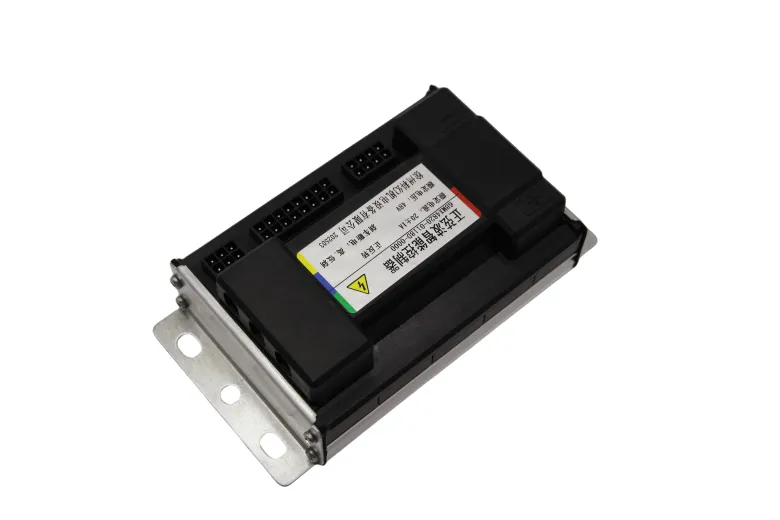
Have you ever felt that your electric vehicle (EV) isn’t performing as well as it should? You’re not alone. Many EV owners experience frustration when they realize their vehicle isn’t optimized for peak performance. Whether it’s sluggish acceleration, poor battery efficiency, or subpar range, these issues can be disheartening.
Let’s dive into the common pain points and explore how to ensure your EV controller is performing at its best.
First, consider the acceleration. If you find yourself pressing the pedal and waiting for a response, it might be time to check the controller settings. A quick adjustment can often enhance responsiveness.
Next, let’s talk about battery efficiency. Is your EV draining faster than expected? This could be due to outdated software or improper settings. Regularly updating your vehicle's software can make a significant difference. Check with your manufacturer for the latest updates.
Range is another critical aspect. If you’re constantly worried about running out of juice, it’s essential to assess your driving habits. Aggressive driving can deplete your battery much quicker than a smooth, steady pace. Adopting a more relaxed driving style can extend your range significantly.
Now, let’s break down the steps to optimize your EV controller:
Check for Software Updates: Regularly visit your manufacturer’s website or app to ensure your vehicle’s software is up to date.
Adjust Acceleration Settings: Explore the settings menu in your EV. Many vehicles allow you to customize acceleration sensitivity.
Monitor Driving Habits: Use an app or onboard system to track your driving style. Aim for smooth acceleration and braking.
Consult the Manual: Familiarize yourself with your owner’s manual. It often contains valuable tips on optimizing performance.
Seek Professional Help: If you’re unsure about making adjustments, don’t hesitate to consult a professional. They can provide tailored advice for your specific model.
In conclusion, optimizing your EV controller can lead to a more enjoyable driving experience. By addressing acceleration, battery efficiency, and driving habits, you can unlock the full potential of your electric vehicle. Remember, a little attention goes a long way in ensuring your EV performs at its best. Happy driving!
Plug In: Is Your Electric Vehicle Controller Future-Proof?
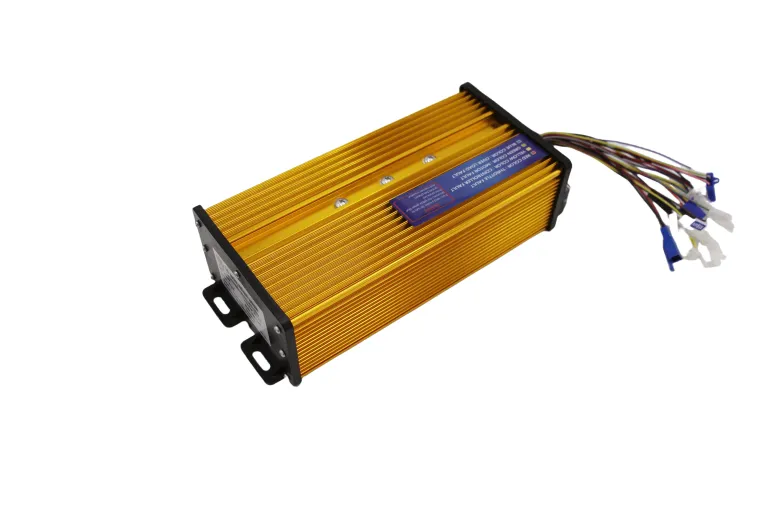
When I first decided to switch to an electric vehicle (EV), I was excited about the eco-friendly benefits and the potential savings on gas. But soon, a nagging thought crept in: Is my EV controller future-proof? After all, technology is evolving at lightning speed, and I didn't want to invest in something that might become obsolete overnight.
The reality is, many of us share this concern. We want to embrace the future, but we also need reassurance that our choices today will stand the test of time. So, let’s break down what makes an electric vehicle controller future-proof and how you can ensure your investment is wise.
Understanding the Basics
First, let’s consider what an EV controller does. It acts as the brain of the vehicle, managing power flow between the battery and the motor. If this component fails or becomes outdated, it can lead to performance issues or even costly repairs. So, how do we determine if our controller is built to last?
1. Compatibility with Emerging Technologies
One of the key factors is compatibility. A future-proof controller should support advancements like vehicle-to-grid (V2G) technology, which allows your EV to send electricity back to the grid. This feature not only enhances energy efficiency but also opens up potential revenue streams for EV owners. Ensure your controller can adapt to such technologies as they emerge.
2. Software Updates
Just like your smartphone, your EV controller should be able to receive software updates. Manufacturers that provide regular updates can enhance performance and security, keeping your vehicle up to date with the latest features. Check if your controller supports over-the-air updates—this is a good sign of future-proofing.
3. Robust Build Quality
Next, let’s talk about build quality. A controller made with high-quality materials is less likely to fail prematurely. Look for controllers that have been tested in various conditions to ensure durability. Reading reviews and seeking recommendations can help you find a reliable option.
4. Manufacturer Reputation
The reputation of the manufacturer also plays a vital role. Established companies with a history of innovation and customer support are more likely to invest in future technologies. Research the brand and their commitment to sustainability and technological advancements.
5. Community Feedback
Lastly, don’t underestimate the power of community feedback. Online forums and social media groups can provide insights into real-world experiences with different controllers. Engaging with fellow EV enthusiasts can help you make an informed decision based on collective knowledge.
In conclusion, ensuring your electric vehicle controller is future-proof involves a mix of technology compatibility, software support, build quality, manufacturer reputation, and community insights. By taking these factors into account, you can drive away with confidence, knowing that your EV is equipped to handle whatever the future throws at it. After all, being prepared today means enjoying a smoother ride tomorrow!
We welcome your inquiries: 981336070@qq.com/WhatsApp 15250936161.
References
Smith J, 2023, Power Up: Is Your EV Controller Ready for the Road
Johnson A, 2023, Rev Your Engines: How Efficient is Your Electric Vehicle Controller
Williams R, 2023, Charge Smart: Is Your EV Controller Keeping Pace with Technology
Brown T, 2023, Drive into the Future: Is Your Electric Vehicle Controller Cutting-Edge
Davis L, 2023, Get Ahead: Is Your EV Controller Optimized for Performance
Wilson K, 2023, Plug In: Is Your Electric Vehicle Controller Future-Proof
