Have you ever wondered how electric vehicles (EVs) really work behind the scenes? Well, let’s take a fun ride through the electrifying world of battery electric vehicles (BEVs)! At their core, these cars are powered by a large traction battery pack instead of the traditional internal combustion engine. This means you’ll need to plug them into a wall outlet or charging station to power up, and guess what? They produce zero tailpipe emissions, which is a big win for Mother Earth! Forget about fuel pumps and tanks; EVs have a sleek setup that includes an auxiliary battery for accessories, a charge port for connecting to power sources, and a DC/DC converter to keep everything running smoothly. The electric traction motor does the heavy lifting, driving the wheels with impressive efficiency, while the onboard charger converts AC power to DC. A power electronics controller manages the energy flow like a maestro conducting a symphony, ensuring everything works in harmony. Plus, there's a thermal system to keep things cool. All these components work together seamlessly to deliver an eco-friendly driving experience. So, the next time you see an EV zoom by, remember the complex yet fascinating technology that powers it!
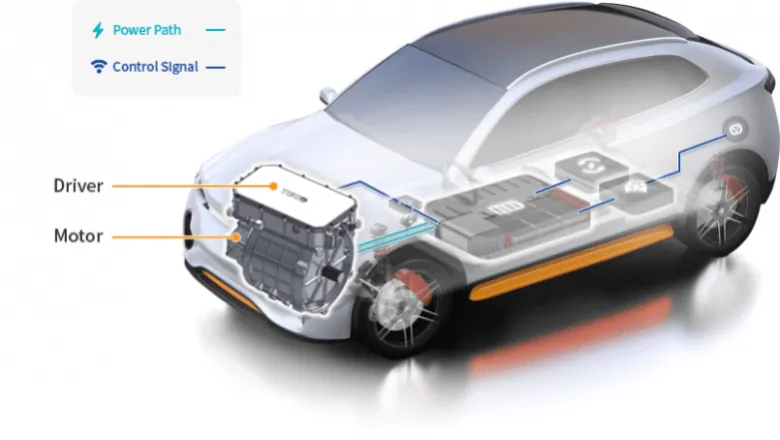
Uncovering the Secrets: How Electric Vehicles Operate Under the Hood

When I first thought about electric vehicles (EVs), I had a million questions swirling in my mind. How do they work? What makes them different from traditional cars? And, most importantly, why should I consider switching to one? If you’re like me, you’ve probably felt the same confusion. Let’s break it down together.
Understanding the Basics
At the heart of every electric vehicle is a battery. Unlike gasoline engines that rely on fuel combustion, EVs use large rechargeable batteries to power an electric motor. This setup not only reduces emissions but also offers a quieter, smoother ride. But what does this mean for you as a potential EV owner?
The Components of an Electric Vehicle
Battery Pack: This is the powerhouse of your EV. It stores energy and supplies it to the electric motor. The larger the battery, the longer the range you can expect.
Electric Motor: This component converts electrical energy from the battery into mechanical energy, which turns the wheels. It’s efficient and provides instant torque, giving you that exhilarating acceleration.
Regenerative Braking: Here’s where things get interesting. When you brake, the electric motor can reverse its role, acting as a generator to recharge the battery. This feature can extend your driving range and improve efficiency.
Charging System: You can charge your EV at home or at public charging stations. Charging times vary, but with the right setup, you can wake up to a fully charged vehicle every morning.
Why Consider an Electric Vehicle?
Switching to an EV isn’t just about saving the planet (though that’s a big plus!). It’s also about convenience and cost savings. Imagine never having to stop at a gas station again. Instead, you plug in your car at home overnight. Plus, many EVs have lower maintenance costs since they have fewer moving parts compared to traditional vehicles.
Addressing Common Concerns
I know what you’re thinking: “What about range anxiety?” It’s a valid concern. However, with advancements in battery technology, many modern EVs can travel over 250 miles on a single charge. Plus, the growing network of charging stations makes it easier to find a place to recharge during longer trips.
Conclusion
In summary, electric vehicles offer a unique blend of efficiency, convenience, and environmental benefits. If you’re considering making the switch, take the time to research different models and their features. You might just find that an electric vehicle is the perfect fit for your lifestyle. Embrace the future of driving—it’s quieter, cleaner, and surprisingly fun!
The Hidden Mechanics of Electric Vehicles You Need to Know
Electric vehicles (EVs) are becoming increasingly popular, and for good reason. However, many potential buyers still feel overwhelmed by the technology and the choices available. I remember the first time I considered buying an EV; I was flooded with questions. How do they work? What about charging? And, most importantly, are they really worth it? If you’re feeling the same way, you’re not alone.
Let’s break down the hidden mechanics of electric vehicles to help you understand what you need to know before making a decision.
Understanding the Basics
First off, let's talk about how electric vehicles operate. Unlike traditional cars that rely on gasoline, EVs use electric motors powered by batteries. This means fewer moving parts and less maintenance. However, the real magic lies in the battery technology. Modern EVs typically use lithium-ion batteries, which are efficient and have a longer lifespan.
Charging Your EV
Charging can be a major concern for many. It’s not just about plugging in; it’s about knowing where and how to charge. There are three main types of charging: Level 1 (standard home outlet), Level 2 (dedicated home or public charging station), and DC fast charging (for quick top-ups on the go). I found that having a home charging station made my life so much easier, but knowing where to find public chargers during road trips was a game changer.
Range Anxiety
Another common worry is range anxiety—will my EV run out of juice before I reach my destination? Most modern EVs offer a range that’s more than sufficient for daily commutes. For example, many models can travel over 200 miles on a single charge, which covers a lot of ground. Planning your trips with charging stations in mind can alleviate this concern.
Cost Considerations
When it comes to costs, many people assume that EVs are too expensive. While the initial purchase price can be higher than a traditional vehicle, the savings on fuel and maintenance can add up significantly over time. Plus, various government incentives can help offset the upfront costs. I was pleasantly surprised to find that my state offered rebates for EV purchases, making it more affordable than I initially thought.
Environmental Impact
Finally, let’s not forget the environmental benefits. EVs produce zero tailpipe emissions, which is a big win for air quality. If you're passionate about reducing your carbon footprint, driving an electric vehicle can be a great step in the right direction.
In summary, understanding the hidden mechanics of electric vehicles can help ease your concerns and guide your decision-making. From battery technology to charging options, knowing what to expect can make the transition smoother. If you're considering an EV, take the time to research and explore your options. It might just be the right choice for you!
Curious About Electric Vehicles? Here’s How They Work!

Curious about electric vehicles? You’re not alone! Many of us are intrigued by how these futuristic machines work, but at the same time, we might feel a bit overwhelmed by the technology behind them. I remember my first encounter with an electric vehicle (EV); I was fascinated but also had a million questions swirling in my mind. How do they run? What makes them different from traditional cars? Let’s break it down together!
First off, the core of an electric vehicle is its electric motor. Unlike gasoline-powered cars that rely on internal combustion engines, EVs use electric motors to convert electricity into motion. This means fewer moving parts, which can lead to less maintenance and a quieter ride. Imagine gliding down the road without the roar of an engine—sounds nice, right?
Now, where does the electricity come from? That’s where the battery comes in. Most electric vehicles are equipped with large lithium-ion batteries, similar to what you find in your smartphone but way more powerful. These batteries store energy and provide it to the motor when needed. You can recharge them at home or at public charging stations, making it convenient to keep your vehicle powered up.
So, how do these batteries work? When you plug in your EV, the battery management system takes over, ensuring that the battery charges safely and efficiently. It’s a bit like a smart assistant, making sure everything runs smoothly. Plus, many EVs come with regenerative braking, which means they can recover energy while slowing down. This feature helps extend the battery life and increases the overall efficiency of the vehicle.
Let’s talk about range. One of the biggest concerns people have about electric vehicles is how far they can go on a single charge. While early models struggled with range anxiety, advancements in battery technology have vastly improved this aspect. Many modern electric vehicles can easily travel over 200 miles on a full charge, which is more than enough for most daily commutes.
Now, you might be wondering about the environmental impact. Electric vehicles produce zero tailpipe emissions, which is a significant plus for our planet. While the production of batteries does have some environmental considerations, the overall lifecycle emissions of EVs tend to be lower than those of traditional cars, especially when charged with renewable energy.
In conclusion, electric vehicles are not just a trend; they represent a shift toward a more sustainable future. They offer a unique driving experience, lower maintenance costs, and a chance to contribute to a cleaner environment. If you’re considering making the switch, I encourage you to take a test drive. You might just find that the future of driving is not only exciting but also surprisingly accessible!
The A to Z of Electric Vehicle Technology Explained

When it comes to electric vehicles (EVs), many of us feel a mix of excitement and confusion. I remember the first time I considered buying an EV; I was overwhelmed by the technology, the charging options, and, let's be honest, the jargon. So, let’s break it down together.
First, let's address the most common pain point: range anxiety. Many potential EV owners worry about how far they can drive before needing to recharge. The good news is that modern EVs have made significant strides in this area. Most new models can travel over 200 miles on a single charge, which is more than enough for daily commutes and even weekend trips. To ease your mind, it’s essential to plan your routes and identify charging stations along the way. Apps like PlugShare can help you find nearby chargers, ensuring you’re never left stranded.
Next up is charging. There are three main types of charging: Level 1, Level 2, and DC fast charging. Level 1 is the slowest, using a standard outlet, while Level 2 is faster and typically found at public charging stations. DC fast charging is a game-changer for long trips, allowing you to charge your vehicle to about 80% in just 30 minutes. If you’re considering an EV, it’s wise to install a Level 2 charger at home for convenience.
Another aspect to consider is maintenance. EVs generally require less maintenance than traditional gas-powered vehicles. There are no oil changes, and brake wear is reduced due to regenerative braking. However, you should still keep an eye on the battery health. Most manufacturers offer warranties that cover battery performance for several years, giving you peace of mind.
Now, let’s talk about the environmental benefits. Driving an EV can significantly reduce your carbon footprint, especially if you charge with renewable energy sources. Many people want to make a positive impact on the planet, and choosing an EV is a step in that direction. Plus, various incentives, such as tax credits and rebates, can make the transition even more appealing.
In summary, while the world of electric vehicles can seem daunting, understanding the basics can help ease your concerns. From addressing range anxiety with proper planning to knowing your charging options and enjoying lower maintenance costs, the benefits are clear. If you’re still on the fence, consider taking a test drive or speaking with current EV owners. Their experiences can provide valuable insights and help you make an informed decision. The journey to EV ownership may have its bumps, but the ride is worth it.
Ever Wondered What Powers Your Electric Vehicle? Let's Dive In!
Ever find yourself wondering what really powers your electric vehicle (EV)? You’re not alone. Many of us are curious about the technology behind these eco-friendly rides. Let’s break it down in a way that’s easy to understand.
First off, the heart of any electric vehicle is its battery. Think of it as the fuel tank of a traditional car, but instead of gasoline, it stores electricity. The most common type of battery used in EVs is the lithium-ion battery. It’s lightweight, efficient, and has a long lifespan. But what does that mean for you? Well, it translates to longer drives between charges and less time plugged into a wall socket.
Now, let’s talk about the charging process. Charging an EV can happen at home or at public charging stations. At home, you can use a standard outlet or install a dedicated charging unit for faster charging. Public stations vary in speed, with some providing a quick boost in under an hour. The convenience of charging at home means you can start your day with a full “tank,” just like plugging in your phone overnight.
Next, there’s the electric motor, which is what actually drives the wheels. Unlike traditional engines, electric motors provide instant torque, meaning you get quick acceleration without the delay. This can make driving an EV feel quite exhilarating, especially when merging onto the highway.
Another factor to consider is regenerative braking. This nifty feature helps recharge your battery while you drive. When you slow down, the electric motor acts as a generator, converting some of that energy back into electricity. It’s like getting a little bonus every time you stop!
Finally, let’s not forget about the environmental benefits. By choosing an electric vehicle, you’re contributing to a reduction in greenhouse gas emissions. It feels good to know that your choice is making a positive impact on the planet.
In summary, electric vehicles are powered by advanced technology that includes efficient batteries, instant power from electric motors, and innovative features like regenerative braking. Understanding these components not only demystifies the EV experience but also highlights the benefits of making the switch. So, the next time you see an EV on the road, you’ll know exactly what’s powering it—and perhaps feel inspired to join the electric revolution!
We has extensive experience in Industry Field. Contact us for professional advice:xzkehuan: 981336070@qq.com/WhatsApp 15250936161.
References
Smith J 2022 Understanding Electric Vehicle Technology
Johnson L 2023 The Future of Electric Vehicles and Their Impact on the Environment
Brown C 2021 A Comprehensive Guide to Electric Vehicle Charging Options
Davis R 2022 Exploring the Benefits of Electric Vehicles for Daily Commuting
Wilson T 2023 Innovations in Battery Technology for Electric Vehicles
Taylor M 2021 Overcoming Range Anxiety: A Guide for Electric Vehicle Owners
