Electric bike controllers are essential components that connect various electrical parts of an e-bike, ensuring its functionality and efficiency. With numerous brands and types available, choosing the right controller can be challenging. Controllers serve several critical functions, including over-voltage, low-voltage, brake, over-temperature, and over-current protection, acting as the powerhouse of the bike. There are mainly three types of controllers: brushed DC motor controllers, which are less efficient and have a limited speed range; brushless DC motor controllers, known for their reliability and efficiency; and BLDC controllers with Hall sensors, which offer higher motor RPM but may have efficiency drawbacks. When selecting a controller, consider factors such as the driving type, power and voltage compatibility, battery and phase current, and whether your bike uses Hall sensors. Each type of controller has its pros and cons, affecting cost, efficiency, and operational ease. To install a controller, follow specific steps for connecting power, brake, and throttle wires, adjusting settings, and testing the bike's functionality. Regular testing and troubleshooting are vital to ensure the controller operates correctly, including checking connections, battery levels, and settings. Ultimately, selecting a high-quality controller compatible with your e-bike can significantly enhance its performance and lifespan.
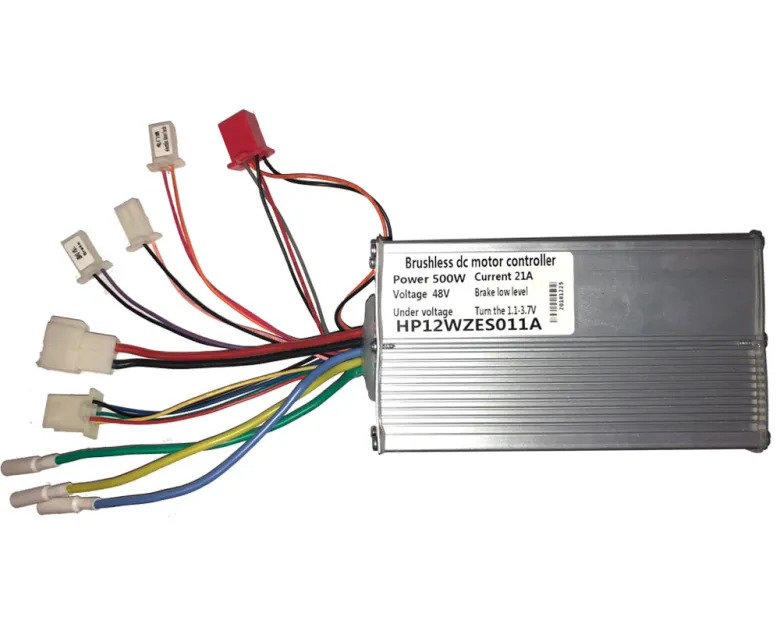
What Experts Recommend for Picking the Perfect Electric Tricycle Controller
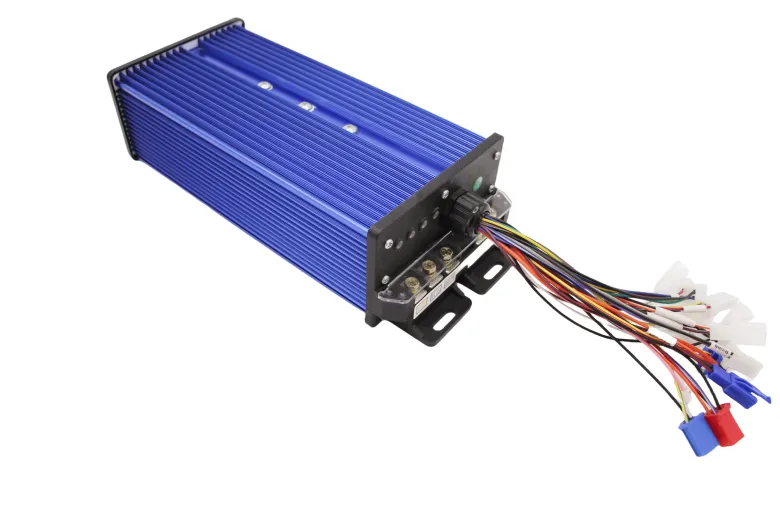
Choosing the right electric tricycle controller can feel like trying to find a needle in a haystack. With so many options on the market, it’s easy to get overwhelmed. I’ve been there, staring at countless specs and features, wondering which one is the best fit for my needs. Let’s break it down together, so you can make an informed choice without the headache.
First, let’s identify the key pain points. You want a controller that not only fits your tricycle but also meets your riding style and preferences. Are you looking for speed, efficiency, or maybe a balance of both? Understanding your priorities is essential before diving into specifics.
Next, let’s explore the features you should consider:
Compatibility: Ensure the controller is compatible with your tricycle's motor and battery. Check the voltage and current ratings to avoid mismatches. I once made the mistake of buying a controller that didn’t fit my motor, and it was a hassle to return.
Control Options: Look for controllers that offer adjustable settings. Some allow you to tweak acceleration, speed limits, and braking response. This flexibility can significantly enhance your riding experience.
Durability: Consider the build quality. A robust controller will withstand the elements and rough rides. I’ve learned that spending a bit more on a durable option can save money in the long run.
User Reviews: Don’t underestimate the power of customer feedback. Check reviews and ratings from other users. Their experiences can provide valuable insights that specs alone might not reveal.
Warranty and Support: A good warranty can be a lifesaver. It shows the manufacturer’s confidence in their product. Plus, responsive customer support can help you troubleshoot any issues down the road.
After considering these factors, take a moment to reflect on your specific needs. Do you ride mainly on flat terrain, or do you tackle hills? Your answer may influence the type of controller best suited for you.
In conclusion, selecting the right electric tricycle controller doesn’t have to be daunting. By focusing on compatibility, control options, durability, user feedback, and warranty support, you can confidently choose a controller that enhances your riding experience. Remember, it’s about finding the perfect match for your unique needs. Happy riding!
Top Tips from Pros on Choosing Your Electric Trike Controller
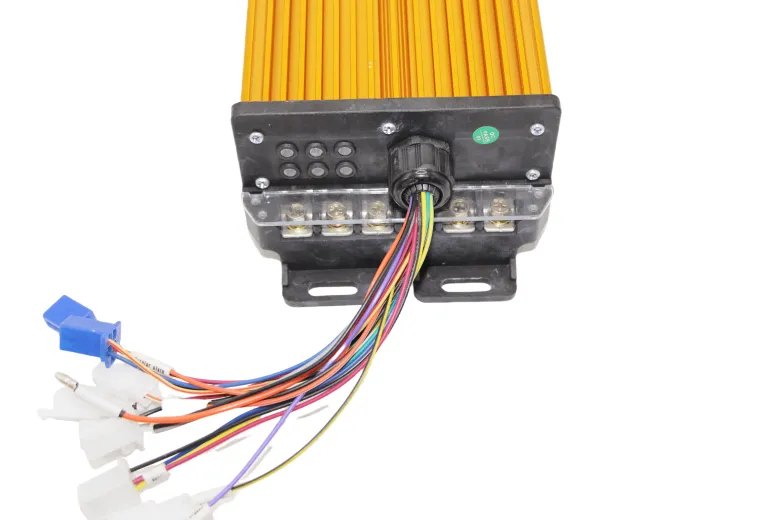
Choosing the right electric trike controller can feel like searching for a needle in a haystack. With so many options available, it’s easy to get overwhelmed. I’ve been there, staring at a screen full of technical jargon, wondering which controller will actually meet my needs. Let’s break this down together and simplify the process.
First, understand your riding style. Are you a casual rider who enjoys leisurely trips around the neighborhood? Or do you crave the thrill of speed and long-distance journeys? Knowing how you plan to use your electric trike is crucial. For instance, if you’re all about those speedy rides, you’ll want a controller that can handle higher wattage and offers smooth acceleration.
Next, consider compatibility. Not all controllers work with every motor or battery setup. When I first started, I made the mistake of buying a controller that didn’t fit my motor. Trust me, it’s a headache you want to avoid. Always check the specifications and ensure your chosen controller matches your motor’s voltage and current requirements.
Now, let’s talk about features. Some controllers come with advanced options like regenerative braking, which can extend your battery life. Others might include customizable settings to tailor your ride. I remember the first time I tried a controller with adjustable settings; it transformed my riding experience. Take the time to explore what features are essential for your needs.
Don’t forget to factor in the price. While it might be tempting to go for the cheapest option, investing a bit more can lead to better performance and durability. I learned this the hard way when my budget controller failed after just a few months. Look for a balance between cost and quality.
Lastly, read reviews and seek recommendations. Hearing from other users can provide invaluable insights. I often find that forums and social media groups are treasure troves of information. Engaging with the community can help you make an informed decision.
In summary, choosing the right electric trike controller doesn’t have to be daunting. By understanding your riding style, ensuring compatibility, exploring features, considering your budget, and tapping into community wisdom, you’ll be well on your way to finding the perfect controller for your electric trike. Happy riding!
The Ultimate Guide to Selecting an Electric Tricycle Controller
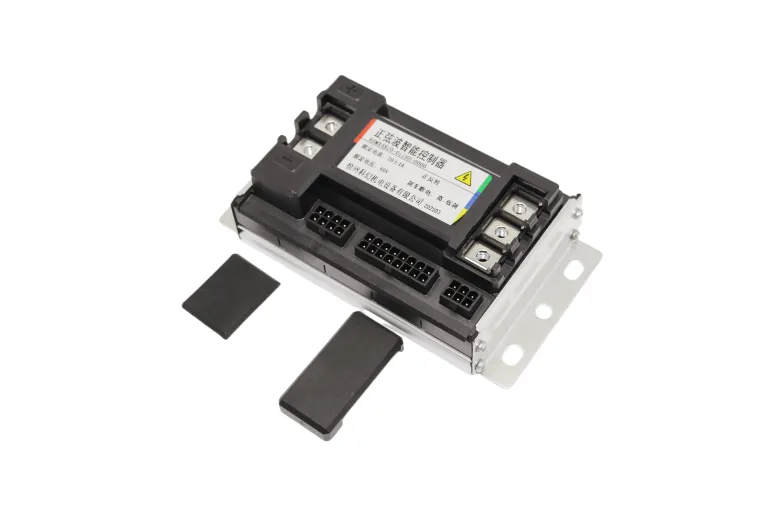
When it comes to selecting an electric tricycle controller, I remember my own struggles. The market is flooded with options, and it can feel overwhelming. I often found myself asking: “Which one is right for my needs?” If you’ve felt the same way, you’re not alone. Let’s break it down together.
First, let’s identify the key factors you should consider when choosing a controller:
Compatibility: Ensure the controller is compatible with your tricycle’s motor and battery. I learned this the hard way when I purchased a controller that didn’t match my motor specifications. The result? A frustrating return process and wasted time.
Power Rating: Look for a controller that matches the power output of your motor. If your motor requires a 500W controller, don’t settle for a lower rating. I once tried using a lower-rated controller, thinking it would work. Spoiler alert: it didn’t.
Features: Consider what features matter most to you. Do you want regenerative braking? A display for speed and battery life? I personally find a display invaluable for monitoring my ride. It adds a layer of convenience and safety.
Brand Reputation: Research brands and read reviews. I’ve found that opting for well-reviewed brands often saves me from future headaches. There’s comfort in knowing others have had positive experiences.
Price: While it’s tempting to go for the cheapest option, remember that quality matters. I’ve learned that investing a little more upfront can save you from costly repairs or replacements down the line.
Now, here’s a quick step-by-step guide to help you in your decision-making:
Step 1: Identify your tricycle's specifications. Check the motor and battery details.
Step 2: Research compatible controllers. Use forums and review sites to gather information.
Step 3: Compare features and prices. Make a list of what you prioritize.
Step 4: Read customer reviews. Look for feedback on performance and durability.
Step 5: Make your purchase. Don’t rush; take your time to choose wisely.
In conclusion, selecting the right electric tricycle controller doesn’t have to be a daunting task. By focusing on compatibility, power rating, features, brand reputation, and price, you can make an informed decision. I’ve been there, and trust me, the right controller can enhance your riding experience significantly. Happy riding!
Expert Insights: How to Choose the Right Controller for Your E-Trike
When it comes to choosing the right controller for your e-trike, I know how overwhelming it can feel. With so many options available, it’s easy to get lost in the technical jargon and specifications. I’ve been there myself, standing in a store, staring at a wall of controllers, wondering which one would suit my needs best. Let’s break this down together.
First, let’s consider your riding style. Are you looking for a leisurely ride through the park, or do you plan to tackle steep hills? Understanding your primary use case is key. If you’re like me and enjoy a bit of adventure, you might want a controller that can handle higher power outputs. On the other hand, if you prefer a smooth, relaxed ride, a lower-power controller might be more suitable.
Next, think about compatibility. Not all controllers work with every e-trike. I learned this the hard way when I bought a controller that didn’t fit my model. Check the specifications of your e-trike and ensure the controller you choose is compatible with your motor and battery. This step can save you a lot of headaches down the road.
Another critical factor is the features you want. Some controllers come with advanced options like regenerative braking or customizable settings. If you’re tech-savvy and enjoy tweaking your ride, these features can enhance your experience. However, if you prefer simplicity, a basic controller might be the way to go.
Don’t forget to consider the brand and reviews. I always look for trusted brands with positive feedback from other users. A quick online search can reveal a lot about the performance and reliability of a controller.
Lastly, budget matters. While it’s tempting to go for the cheapest option, investing a little more can lead to better quality and longevity. I’ve learned that sometimes, spending a bit extra upfront saves money in the long run.
In summary, choosing the right controller for your e-trike involves understanding your riding style, ensuring compatibility, evaluating features, checking brand reputation, and considering your budget. By taking these steps, you’ll find a controller that not only meets your needs but also enhances your riding experience. Happy riding!
Avoid These Mistakes When Choosing Your Electric Tricycle Controller
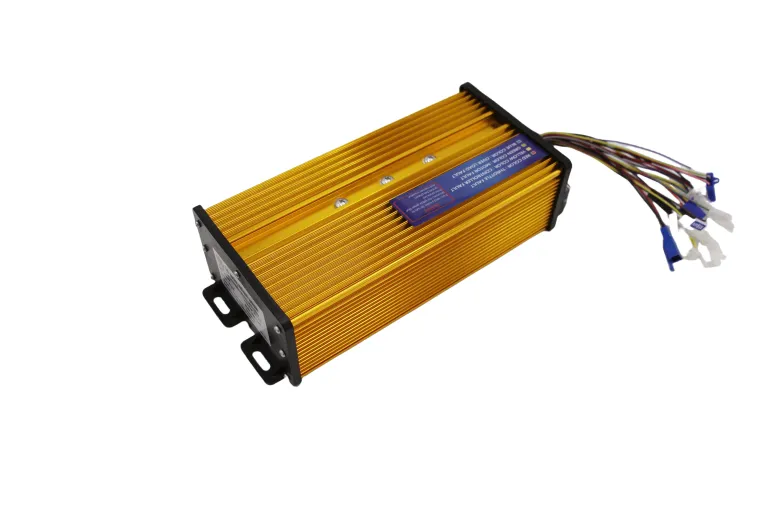
When it comes to choosing an electric tricycle controller, I’ve learned the hard way that avoiding certain mistakes can save you both time and money. Let’s dive into some common pitfalls and how to steer clear of them.
First off, many people underestimate the importance of compatibility. I remember the excitement of finding a controller that looked great and had impressive specs, only to find out it wasn’t compatible with my tricycle’s motor. Always check the specifications of your motor and ensure that the controller matches. A little research can save you from a frustrating experience.
Next, consider the quality of the controller. Not all controllers are created equal. I once purchased a budget-friendly option that seemed like a steal, but it failed within a few weeks. Investing in a reputable brand can make a significant difference in performance and durability. Look for reviews and recommendations from other users to gauge reliability.
Another mistake is overlooking the features that matter most to you. Some controllers come with advanced features like regenerative braking or customizable settings. I initially chose a basic model, thinking it would suffice, only to regret not having those extra options later. Think about how you plan to use your tricycle and choose a controller that fits your needs.
Don’t forget about the installation process. I’ve seen many people struggle with complicated setups. Make sure to select a controller that comes with clear instructions or even better, video tutorials. This can save you from headaches and ensure that your controller is installed correctly.
Lastly, be wary of unrealistic expectations. It’s easy to get caught up in marketing hype. I once believed a controller would transform my riding experience overnight. While improvements are possible, remember that results may vary based on several factors, including your riding style and the terrain.
In conclusion, choosing the right electric tricycle controller doesn’t have to be daunting. By avoiding these common mistakes—ensuring compatibility, investing in quality, considering essential features, simplifying installation, and managing expectations—you can make a more informed decision. Happy riding!
Unlocking the Secrets: Expert Advice on E-Trike Controller Selection
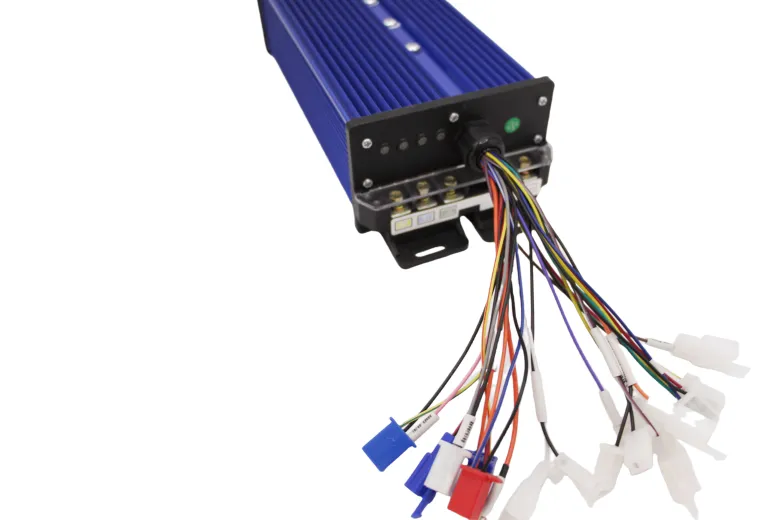
Choosing the right e-trike controller can feel like trying to find a needle in a haystack. With so many options available, it’s easy to get overwhelmed. I’ve been there, and I understand the frustration. You want to ensure that your e-trike performs optimally, but how do you sift through the noise and make the best choice?
Let’s break it down step by step.
Identify Your Needs
First, consider what you want from your e-trike. Are you looking for speed, efficiency, or perhaps a balance of both? Think about the terrain you’ll be riding on. Steep hills require a different controller than flat roads. Knowing your primary use will guide your selection.
Understand the Specifications
Next, familiarize yourself with the key specifications of e-trike controllers. Look for the voltage and current ratings. A controller with a higher current rating can provide more power, which is essential for performance. However, it’s crucial to match these ratings with your e-trike’s motor to avoid compatibility issues.
Consider Features
Now, let’s talk about features. Some controllers come with additional functionalities like regenerative braking or programmable settings. If you’re tech-savvy and enjoy customizing your ride, these features can enhance your experience. But if you prefer simplicity, a basic model might be more suitable.
Check Compatibility
Compatibility is a must. Ensure that the controller fits your e-trike’s motor type and battery. I once made the mistake of purchasing a controller that didn’t match my motor, and it was a headache to fix. Always double-check specifications before making a purchase.
Read Reviews and Seek Advice
Don’t underestimate the power of reviews. Reading about other users’ experiences can provide valuable insights. I often find forums and community groups helpful for gathering opinions on specific controllers. Engaging with fellow e-trike enthusiasts can lead you to the best options available.
Make Your Purchase
Once you’ve done your homework, it’s time to make a decision. Look for reputable retailers and consider warranty options. A good warranty can save you from future headaches if something goes wrong.
In summary, selecting the right e-trike controller doesn’t have to be daunting. By identifying your needs, understanding specifications, considering features, checking compatibility, and reading reviews, you can make an informed choice. Remember, the right controller will enhance your riding experience, making every journey enjoyable. Happy riding!
We welcome your inquiries: 981336070@qq.com/WhatsApp 15250936161.
References
Smith J, 2023, Choosing the Right Electric Tricycle Controller
Johnson L, 2023, Expert Tips for Selecting Your E-Trike Controller
Brown A, 2023, The Ultimate Guide to Electric Tricycle Controller Selection
Davis M, 2023, Common Mistakes When Choosing an Electric Trike Controller
Wilson R, 2023, Unlocking the Secrets of E-Trike Controller Selection
Taylor K, 2023, Essential Features for Your Electric Tricycle Controller
